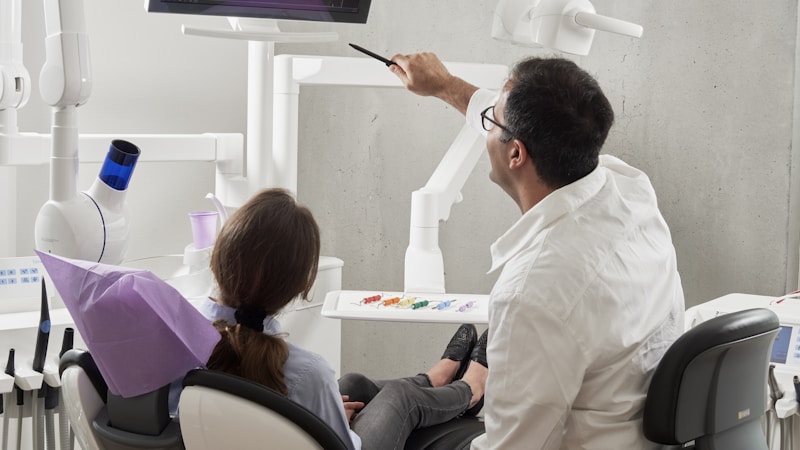
Finding the right dentist can feel overwhelming, especially when you're responsible for your family's oral health. With thousands of dental practices across the country, how do you separate the exceptional from the merely adequate? The good news is that by focusing on five key factors, you can confidently choose a dental provider who will keep your family's smiles healthy for years to come.
Why Choosing the Right Dentist Matters
Your dentist isn't just someone who cleans your teeth twice a year. They're your partner in preventing serious health issues, detecting problems early, and maintaining your overall well-being. Studies show that poor oral health is linked to heart disease, diabetes, and other serious conditions, making your choice of dental provider more important than ever.
The 5 Essential Factors for Choosing Your Dentist
1. Professional Competence and Credentials
Your dentist's qualifications should be your top priority. Every licensed dentist must hold either a DMD (Doctor of Dental Medicine) or DDS (Doctor of Dental Surgery) degree – both are equivalent and indicate the same level of education and training.
Look for dentists who demonstrate ongoing commitment to their profession through continuing education and professional memberships. The best dental providers stay current with the latest techniques, technologies, and treatment options. You can verify credentials through your state dental board's website or by asking the office directly about their qualifications.
2. Location and Accessibility
Convenience matters more than you might think. A dentist located near your home or workplace makes it easier to keep regular appointments and handle dental emergencies quickly.
Consider these accessibility factors:
- Office hours that align with your schedule
- Available parking or public transportation access
- Wheelchair accessibility if needed
- Emergency contact options for after-hours situations
A conveniently located dentist means you're more likely to maintain consistent preventive care, which saves money and prevents serious problems down the road.
3. Services and Specialization
Different dentists offer different services, and your needs may change over time. Some practices provide comprehensive family dentistry, while others focus on specific areas like cosmetic procedures or oral surgery.
Make sure your chosen dentist can handle your family's current needs and has a plan for referring you to trusted specialists when necessary. A good general dentist should offer routine cleanings, fillings, crowns, and basic preventive care, while maintaining relationships with orthodontists, periodontists, and oral surgeons for specialized treatment.
4. Office Environment and Communication Style
The moment you walk into a dental office, you should feel comfortable and confident. Pay attention to cleanliness, organization, and the staff's professionalism. Modern, well-maintained equipment suggests the practice invests in quality care.
Equally important is how well you communicate with your dentist. The right provider will:
- Listen to your concerns without rushing
- Explain procedures in terms you understand
- Discuss treatment options and alternatives
- Respect your comfort level and preferences
Trust your instincts – if something feels off during your initial consultation, it's okay to look elsewhere.
5. Cost and Insurance Considerations
Dental care is an investment in your health, but it shouldn't break your budget. Before committing to a dentist, understand their fee structure, payment options, and insurance policies.
Ask about:
- What insurance plans they accept
- Payment plans for major procedures
- Fees for common services like cleanings and fillings
- Policies for missed appointments
Remember that the cheapest option isn't always the best value. Quality dental care prevents costly problems later, making a slightly more expensive but highly skilled dentist a smart investment.
Essential Questions to Ask During Your Consultation
Come prepared with these important questions:
- What are your emergency contact procedures?
- How do you stay current with dental advances?
- What services do you provide in-house versus referring out?
- Can you provide references from other patients?
- What's your approach to preventive care?
- How do you handle patient anxiety or dental phobia?
Red Flags to Watch For
Some warning signs should send you looking elsewhere:
- Pressure to undergo expensive procedures immediately
- Unwillingness to provide credentials or references
- Outdated or unclean facilities
- Poor communication or rushing through explanations
- No clear pricing or payment policies
Making Your Final Decision
Once you've evaluated potential dentists based on these five factors, trust your judgment. The right dentist will make you feel comfortable, confident, and well-informed about your oral health. Don't hesitate to schedule consultations with multiple providers before making your choice.
Remember, this is a long-term relationship that affects your family's health and well-being. Take the time to choose wisely, and you'll enjoy the benefits of excellent dental care for years to come. Start your search today – your smile will thank you.