
Whether you're a homeowner preparing to sell or a renter looking for your next apartment, pet ownership can significantly impact your property decisions. While our beloved furry companions bring immeasurable joy to our lives, they can also cause substantial damage that affects property values and rental applications. Understanding these costs and knowing how to address them is crucial for any pet owner navigating the real estate market.
The Real Cost of Pet Damage
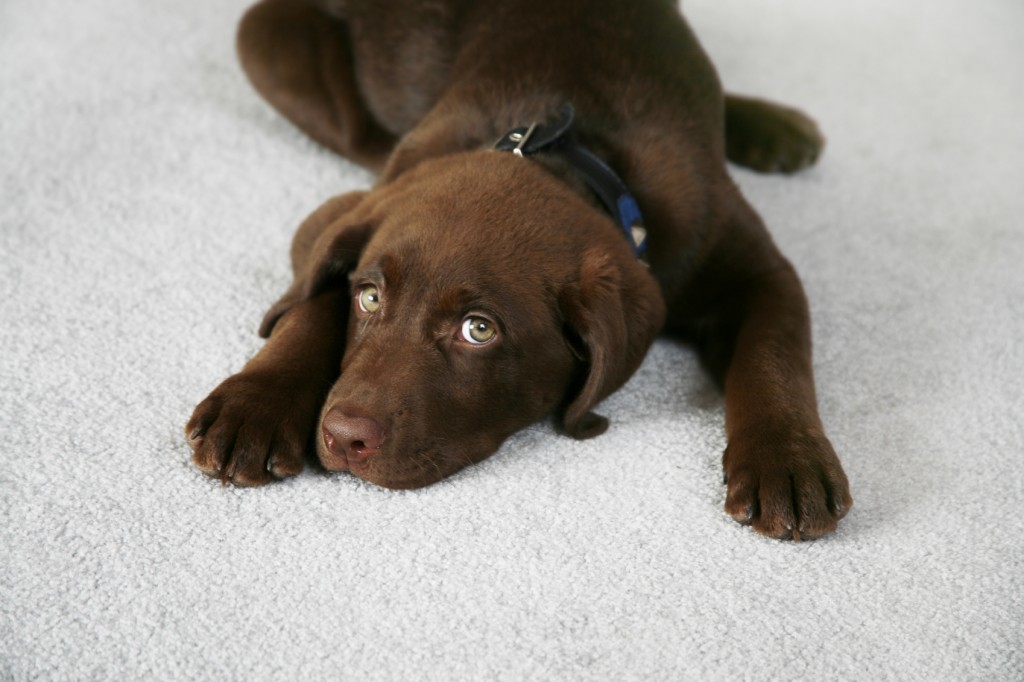
The numbers might surprise you: destructive pets can cause over $900 worth of damage to homes during their lifetime. This figure represents the cumulative cost of cleaning bills, repairs, and replacement of damaged items. For households with multiple pets or particularly active animals, these costs can escalate significantly higher.
The damage isn't limited to just dogs and cats either. Smaller pets like rabbits, guinea pigs, and hamsters can also contribute to property wear and tear, though typically on a smaller scale.
Most Common Types of Pet Damage
Understanding what areas of your home are most vulnerable can help you take preventive measures:
- Carpets and flooring: Scratching, chewing, and staining make these the primary victims
- Furniture: Sofas and chairs suffer from claw marks, chewing, and hair accumulation
- Household items: Books, magazines, cables, curtains, and even toilet paper become chew toys
- Walls and doors: Scratching and jumping can leave permanent marks
- Gardens and yards: Digging and bathroom habits can damage landscaping
Impact on Rental Applications
For renters, pet ownership can create significant challenges in securing housing. Many landlords and property managers view pets as liability risks, often rejecting applications from pet owners outright. This reluctance stems from legitimate concerns about property damage, increased maintenance costs, and potential complaints from other tenants.
The situation becomes even more complex when dealing with breed restrictions, weight limits, and size requirements that vary significantly between properties and states.
Strategies for Pet-Owning Renters
Finding Pet-Friendly Properties
The good news is that the rental market is evolving. Many property managers now recognize that pet-friendly buildings are in high demand, making them more competitive in the marketplace. To find suitable housing:
- Search specifically for "pet-friendly" properties in your desired area
- Work with real estate agents who specialize in pet-friendly rentals
- Consider properties in pet-loving neighborhoods where restrictions may be more relaxed
- Look for newer apartment complexes that often have more modern pet policies
Strengthening Your Application
When applying for rentals as a pet owner, consider these strategies to make your application more attractive:
- Pet resume: Create a document showcasing your pet's training, vaccinations, and good behavior
- References: Provide testimonials from previous landlords about your responsible pet ownership
- Additional deposits: Offer higher security deposits to cover potential damages
- Pet insurance: Show proof of liability coverage that protects the property owner
Protecting Your Investment as a Homeowner
If you're a homeowner planning to sell, addressing pet damage before listing is crucial for maximizing your property's value. Professional cleaning, carpet replacement, and fresh paint can eliminate most evidence of pet habitation.
Consider these preventive measures while you're still living in the home:
- Regular professional carpet cleaning
- Protective covers for furniture
- Designated pet areas to limit damage scope
- Immediate cleanup of accidents to prevent permanent staining
Working with Mortgage Brokers and Real Estate Professionals
When buying or selling a home with pets, experienced mortgage brokers and real estate agents can provide valuable guidance. They understand local market conditions and can help you navigate pet-related challenges, whether you're dealing with property damage disclosure requirements or finding lenders who work with pet owners in unique situations.
Some mortgage programs even offer special considerations for properties that will house pets, including higher damage reserves or specific inspection requirements.
Making the Right Choice for You and Your Pet
While the financial costs of pet ownership in relation to property can be substantial, most pet owners find the companionship and joy their animals provide far outweigh these expenses. The key is being prepared, responsible, and proactive in managing both the relationship with your pet and your property responsibilities.
Ready to find pet-friendly housing or sell your home? Connect with experienced real estate professionals in your area who understand the unique challenges pet owners face. Our directory of top-rated mortgage brokers and real estate agents can help you navigate the market successfully, ensuring both you and your furry friend find the perfect place to call home.
