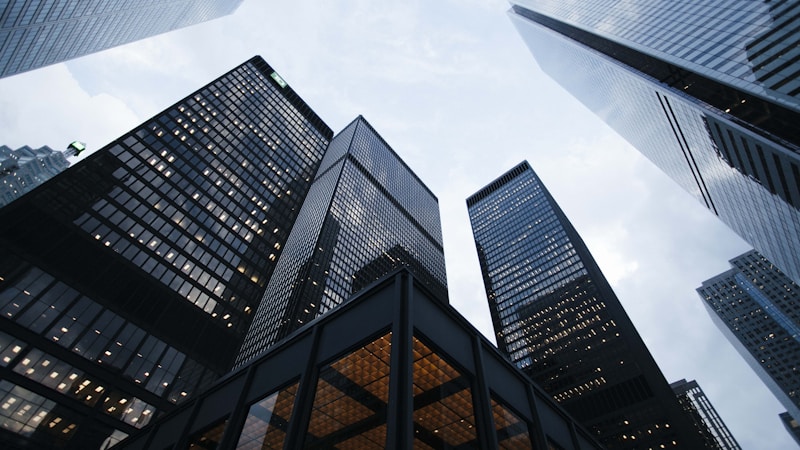
Picture this: you step outside on a sweltering summer day in downtown Phoenix or New York City, and the heat hits you like a wall. Now imagine driving just 20 minutes outside the city limits where the temperature drops by 5-10 degrees. This dramatic difference isn't your imagination—it's the urban heat island effect in action, and it's costing homeowners thousands in energy bills while impacting our environment.
Understanding this phenomenon and knowing how to combat it isn't just about environmental responsibility—it's about making smart choices that can save you money and improve your quality of life.
What Exactly Is the Urban Heat Island Effect?
The urban heat island effect occurs when metropolitan areas become significantly warmer than their surrounding rural areas. Cities can be 1-7°F warmer during the day and up to 5°F warmer at night compared to nearby countryside.
This temperature difference affects more than just comfort levels. Heat islands directly impact:
- Energy costs: Higher demand for air conditioning during peak summer months
- Air quality: Increased formation of ground-level ozone and smog
- Public health: Heat-related illness and discomfort
- Water systems: Elevated temperatures in stormwater runoff affecting local waterways
The Root Causes: Why Cities Get So Hot
Loss of Natural Cooling Systems
When developers replace grass, trees, and soil with concrete and asphalt, cities lose nature's air conditioning system. Plants and trees naturally cool the air through evapotranspiration—essentially sweating water vapor that cools surrounding temperatures.
Green spaces also create beneficial air circulation patterns. When there are fewer parks and gardens, cities lose what's called the "park cool island effect," where cooler air from vegetated areas would normally circulate and moderate urban temperatures.
Heat-Absorbing Building Materials
Most urban construction materials are heat magnets. Dark rooftops, asphalt roads, and concrete sidewalks absorb solar radiation during the day and release it as heat throughout the night. Unlike natural surfaces that reflect sunlight and promote cooling, these materials create a heat storage system that keeps cities warm long after sunset.
Human-Generated Heat Sources
Cities generate additional heat through:
- Air conditioning systems and refrigeration units
- Vehicle exhaust and engines
- Industrial processes and equipment
- Dense concentrations of buildings that trap heat
Practical Solutions: What Homeowners Can Do
Smart Roofing Choices
Your roof is your home's first defense against heat island effects. Consider these options when planning repairs or renovations:
- Cool roofs: Light-colored or reflective materials that bounce sunlight away
- Green roofs: Living rooftop gardens that provide natural cooling and insulation
- Solar panels: Generate clean energy while shading your roof surface
Landscaping for Climate Control
Strategic landscaping can significantly reduce temperatures around your home. Plant deciduous trees on the south and west sides of your property to provide summer shade while allowing winter sunlight. Native plants require less water and are better adapted to local climate conditions.
Replace concrete patios and walkways with permeable materials like gravel, permeable pavers, or natural stone that allow water absorption and reduce heat retention.
Building Material Considerations
When undertaking home improvement projects, choose materials with higher reflectivity values. Light-colored siding, energy-efficient windows with low-E coatings, and proper insulation all contribute to reducing your home's heat absorption and energy consumption.
Community-Wide Impact
While individual actions matter, the most significant improvements come from community-wide initiatives. Support local policies that promote:
- Urban tree planting programs
- Green building codes and standards
- Preservation of existing green spaces
- Cool pavement initiatives for streets and parking lots
The Bottom Line: Your Role in the Solution
The urban heat island effect isn't just an environmental concern—it's an economic and health issue that directly impacts your daily life. By making informed choices about roofing, landscaping, and building materials, you're not only reducing your energy bills but contributing to a more sustainable and comfortable community.
Whether you're planning a small home improvement project or a major renovation, consider the cooling potential of your choices. Every reflective roof, every tree planted, and every square foot of concrete replaced with permeable surfaces makes a difference.
Ready to make cooling improvements to your home? Connect with local contractors who specialize in energy-efficient and sustainable building practices. Your wallet, your comfort, and your environment will thank you.
