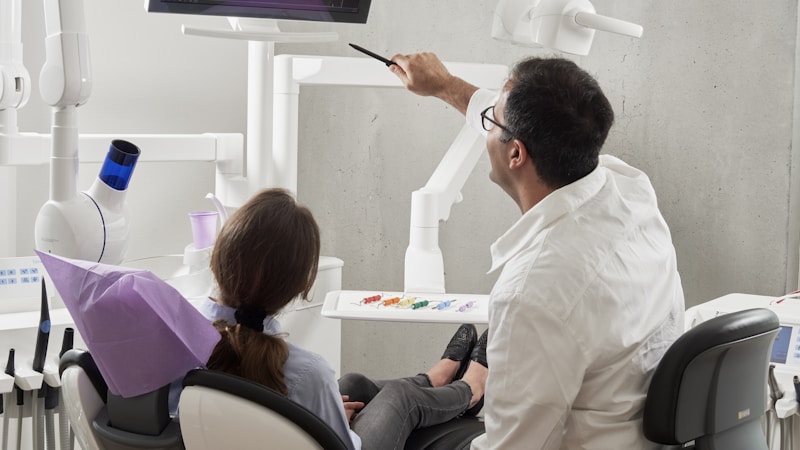
If you've been told you need a root canal, you're probably feeling anxious about the procedure. The mere mention of "root canal" strikes fear into many patients, but understanding what actually happens during this common dental treatment can help ease those concerns and even save your natural tooth.
Why Root Canals Become Necessary
Root canal treatment becomes essential when the inner pulp of your tooth becomes severely infected or damaged. This usually happens due to:
- Deep decay that reaches the tooth's nerve
- Repeated dental procedures on the same tooth
- Cracks or chips that allow bacteria to enter
- Trauma or injury to the tooth
When caught early, a simple filling can address minor cavities. However, once decay reaches the tooth's pulp—the soft tissue containing nerves and blood vessels—more intensive treatment is required. Without intervention, the infection can spread, potentially leading to abscesses and the eventual loss of the tooth.
The Root Canal Procedure: Step by Step
Preparation and Anesthesia
Your endodontist or dentist will begin by administering local anesthesia through small injections in your gums. This ensures the tooth and surrounding area are completely numb before treatment begins. Many patients report that receiving the anesthesia injection is the most uncomfortable part of the entire procedure.
Once you're numb, a dental dam—a thin sheet of rubber—is placed over the treatment area. This keeps the surgical field sterile and protects the rest of your mouth during the procedure.
Accessing and Cleaning the Infected Area
Your dentist will create a small access hole in the crown of the affected tooth. Through this opening, they'll carefully remove the diseased or dead pulp from both the pulp chamber and the root canals using specialized instruments.
This step might sound painful, but it's actually quite comfortable since the area is numbed and the tissue being removed is already dead or dying.
Disinfection and Sealing
After thorough cleaning, the canals are disinfected with antibacterial and antiseptic solutions to eliminate any remaining traces of infection. If significant infection is present, your dentist may place antibiotic medication inside the tooth and seal it temporarily to allow healing time.
Once the infection clears, the canals are filled with a biocompatible material called gutta-percha, and the access hole is sealed permanently. In most cases, a crown will be recommended to restore the tooth's strength and protect it from future damage.
What to Expect During Recovery
Immediate Aftercare
Following your root canal, you'll likely experience numbness for several hours as the anesthesia wears off. Some mild discomfort is normal and can typically be managed with over-the-counter pain relievers like ibuprofen or acetaminophen.
You can resume normal eating once the numbness subsides, though it's wise to avoid chewing on the treated side until your permanent restoration is placed.
Signs of Proper Healing
Most patients experience minimal discomfort that subsides within a few days. However, contact your dentist if you experience:
- Severe pain lasting more than a few days
- Swelling that worsens over time
- Return of original symptoms
- Allergic reaction to prescribed medications
Dispelling Common Root Canal Myths
Modern root canal treatment is far more comfortable than many people imagine. Advanced anesthetics and refined techniques have transformed this procedure into a routine, relatively painless treatment that can save your natural tooth.
The goal of root canal therapy isn't to cause discomfort—it's to relieve the pain you're already experiencing from an infected tooth while preserving your smile.
Taking the Next Step
If you're experiencing persistent tooth pain, sensitivity to hot and cold, or swelling, don't wait for the problem to worsen. Early intervention can often mean the difference between saving your tooth and needing extraction.
Contact a qualified endodontist or general dentist in your area to discuss your symptoms and treatment options. With proper care, a tooth that has undergone root canal treatment can last a lifetime, allowing you to maintain your natural smile and proper chewing function.