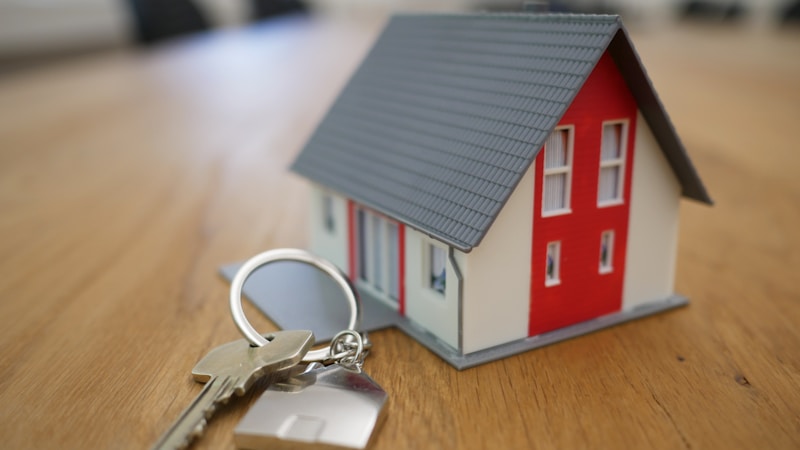
When it comes to selling your home, first impressions can make or break a deal. In today's competitive real estate market, simply listing your property isn't enough – you need to make potential buyers fall in love at first sight. This is where home staging becomes your secret weapon, transforming your space from lived-in to move-in ready and helping you stand out among countless other listings.
What is Home Staging?
Home staging is the strategic process of preparing and presenting your property to appeal to the widest range of potential buyers. Think of it as creating a blank canvas that allows visitors to envision themselves living in the space, rather than feeling like they're intruding on someone else's home.
The primary goal is simple: sell your home faster and for the best possible price. Professional staging can increase your home's perceived value and create an emotional connection with buyers that translates into competitive offers.
More Than Just Decorating
Many homeowners mistakenly believe staging is simply about adding pretty decorations or giving walls a fresh coat of paint. In reality, effective home staging involves a comprehensive approach that includes:
- Decluttering and depersonalizing – Removing personal items and excess belongings
- Furniture arrangement – Repositioning or removing pieces to optimize flow and space
- Strategic design elements – Adding focal points and enhancing natural light
- Deep cleaning and minor repairs – Ensuring everything is in pristine condition
- Neutral color schemes – Creating a universally appealing palette
The Psychology Behind Staging
Home staging taps into buyer psychology by creating an aspirational lifestyle that potential purchasers want to embrace. When done correctly, staging makes rooms appear larger, brighter, and more inviting than they would in their natural, lived-in state.
The goal is to trigger an emotional response where buyers think, "I can see myself living here." This emotional connection often translates into faster sales and higher offers, as buyers compete for properties that make them feel at home.
Creating the Right Atmosphere
Professional stagers understand that different spaces require different moods. A master bedroom should feel like a peaceful retreat, while a living room should appear warm and welcoming for entertaining. The kitchen – often called the heart of the home – needs to showcase both functionality and style.
DIY vs. Professional Staging
While some homeowners choose to stage their properties themselves, there are distinct advantages to working with professionals. Consider your options:
DIY Home Staging
- More budget-friendly initially
- Complete control over the process
- Numerous online resources and guides available
- Time-intensive and potentially overwhelming
Professional Home Staging
- Expert knowledge of current market trends
- Access to furniture and decor inventory
- Objective perspective on your property
- Faster turnaround time
Finding the Right Staging Professional
If you decide to hire a professional, look for certified stagers through organizations like the International Association of Home Staging Professionals (IAHSP) or the Real Estate Staging Association (RESA). These associations ensure members follow industry best practices and maintain professional standards.
Many interior designers also offer staging services, bringing their design expertise to the selling process. When interviewing potential stagers, ask to see before-and-after photos of recent projects and request references from past clients.
Questions to Ask Potential Stagers
- How long have you been staging homes?
- What's your average time on market for staged properties?
- Do you provide furniture and accessories, or is that additional?
- How do you determine which rooms need staging?
- What's your timeline from consultation to completion?
The Bottom Line: Is Staging Worth It?
Industry statistics consistently show that staged homes sell faster and for higher prices than non-staged properties. The National Association of Realtors reports that staging typically results in a 1-5% increase in selling price, while reducing time on market by an average of 73%.
When you consider that staging costs typically range from 1-3% of your home's listing price, the return on investment becomes clear. In today's competitive market, staging isn't just a luxury – it's become a necessity for sellers who want to maximize their property's potential.
Ready to give your home the competitive edge it deserves? Start by researching qualified staging professionals in your area, or explore DIY staging resources if you prefer the hands-on approach. Either way, the investment in proper presentation can make the difference between a home that sits on the market and one that sells quickly for top dollar.