If you've ever experienced the throbbing pain of an emerging wisdom tooth, you're not alone. These late-blooming molars have earned their reputation as one of the most dreaded dental milestones, affecting millions of people during their transition to adulthood. Understanding what wisdom teeth are, why they cause problems, and when to seek treatment can help you navigate this common dental challenge with confidence.
What Are Wisdom Teeth?
Wisdom teeth, scientifically known as third molars, are the final set of teeth to emerge in your mouth. They typically appear between the ages of 17 and 25, earning their name because they arrive when you're presumably wiser than when your other teeth came in during childhood.
Most adults develop four wisdom teeth—one in each corner of the mouth. However, it's perfectly normal to have fewer than four, or in rare cases, none at all (a condition called hypodontia). Some people may even develop extra wisdom teeth, known as supernumerary teeth.
The Evolutionary Purpose
Our ancestors needed these powerful molars to grind down tough, fibrous foods like roots, nuts, and raw meat. Today's softer diet and smaller jaw size have made wisdom teeth largely unnecessary, which explains why they often cause more problems than benefits.
When Wisdom Teeth Become Problematic
When wisdom teeth grow in properly aligned and healthy, they can be valuable assets for chewing. Unfortunately, most modern mouths simply don't have enough space to accommodate these extra molars comfortably.
Impacted Wisdom Teeth
The most common problem occurs when wisdom teeth become impacted—meaning they don't have enough room to emerge normally or develop properly. This can happen in several ways:
- Partial eruption: The tooth only breaks through part of the gum line
- Complete impaction: The tooth remains trapped beneath the gum and bone
- Angular impaction: The tooth grows at an angle, potentially pushing against adjacent teeth
These situations create perfect breeding grounds for bacteria, leading to infection, decay, and significant discomfort.
Warning Signs You Shouldn't Ignore
Your wisdom teeth may need professional attention if you experience any of these symptoms:
- Persistent pain or tenderness in the back of your mouth
- Swelling and inflammation of the gums around the tooth
- Difficulty opening your mouth or chewing
- Bad breath or unpleasant taste that doesn't improve with brushing
- Bleeding or tender gums in the wisdom tooth area
- Headaches or jaw pain that seems to originate from your back teeth
Serious Complications
Left untreated, problematic wisdom teeth can lead to more severe issues including:
- Cysts or tumors around the impacted tooth
- Damage to adjacent healthy teeth
- Extensive tooth decay
- Advanced gum disease
- Infection that can spread to other parts of the body
The Evaluation Process
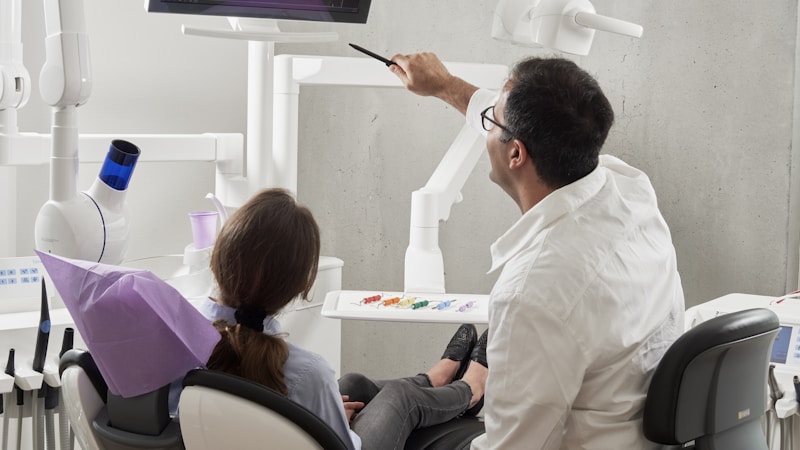
Your dentist will use X-rays to monitor your wisdom teeth development, even before they cause problems. These images reveal the position, angle, and potential for future complications of your wisdom teeth.
During regular check-ups, your dentist will assess whether your wisdom teeth are growing in properly or if intervention might be necessary. In some cases, they may refer you to an oral surgeon for specialized evaluation and treatment.
Early Intervention Benefits
Many oral health professionals recommend removing problematic wisdom teeth sooner rather than later. Younger patients typically experience faster healing, fewer complications, and easier extractions since the tooth roots aren't fully developed yet.
Prevention and Maintenance
If you're keeping your wisdom teeth, maintaining excellent oral hygiene becomes even more critical. These hard-to-reach teeth require extra attention:
- Use a soft-bristled toothbrush to reach back corners
- Consider an antimicrobial mouth rinse
- Floss carefully around wisdom teeth
- Schedule regular professional cleanings
Making the Right Decision for Your Oral Health
Not everyone needs their wisdom teeth removed, but ignoring potential problems can lead to more complex and expensive treatments down the road. The key is working with your dental care team to monitor these teeth and make informed decisions about your oral health.
Regular dental visits are your best defense against wisdom tooth complications. Your dentist can track their development, identify potential issues early, and recommend the most appropriate treatment options for your specific situation. Don't wait until you're in pain—schedule your next dental check-up today and take control of your oral health journey.