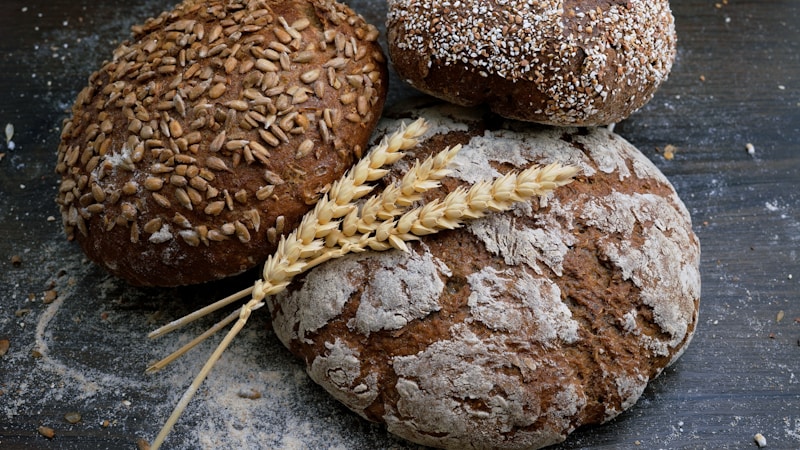
Embarking on a gluten-free baking journey can feel overwhelming, especially when faced with dozens of flour alternatives lining grocery store shelves. Whether you're managing celiac disease, gluten sensitivity, or simply exploring healthier baking options, choosing the right flour is the foundation of successful gluten-free treats that actually taste amazing.

Understanding What to Avoid: Your Gluten-Free Safety Guide
Before diving into the best options, let's establish which flours are absolutely off-limits for gluten-free baking. Knowledge is your best defense against accidental gluten exposure.
Definite No-Go Flours
These grain-based flours contain gluten and should never make it into your gluten-free pantry:
- Wheat varieties: All-purpose, bread, cake, pastry, whole wheat
- Ancient wheat: Spelt, kamut, farro
- Other gluten grains: Barley, rye, triticale
- Wheat derivatives: Semolina, durum, bulgur, graham, farina
Watch Out for Cross-Contamination
Some naturally gluten-free ingredients can become problematic due to processing facilities that also handle wheat. Exercise caution with oats (unless certified gluten-free) and always verify that these potentially cross-contaminated flours are labeled gluten-free:
- Rice flour, corn flour, potato starch
- Soy flour, bean flours
- Buckwheat, quinoa, millet
Pro tip: Always look for the certified gluten-free label, which ensures products contain less than 20 parts per million of gluten – the FDA standard for safety.
The Best Gluten-Free Flour Options for Every Baker
Not all gluten-free flours are created equal. Each brings unique characteristics to your baking, and understanding their strengths will elevate your results dramatically.
Versatile All-Purpose Blends
Commercial gluten-free flour blends take the guesswork out of ratios and often include xanthan gum for structure. Popular brands like Bob's Red Mill, King Arthur, and Cup4Cup offer reliable 1:1 substitutions for traditional wheat flour.
Single-Ingredient Powerhouses
Almond Flour: Perfect for tender cookies, muffins, and cakes with a rich, nutty flavor. Adds moisture and healthy fats but can make baked goods dense if overused.
Coconut Flour: Highly absorbent and naturally sweet, requiring recipe adjustments. Excellent for paleo-friendly treats and adds subtle tropical notes.
Rice Flour: A neutral-tasting foundation that works well in combination with other flours. Brown rice flour adds more fiber and nutrients than white rice flour.
Tapioca Starch: Creates chewiness and helps bind ingredients together. Essential for achieving that satisfying texture in gluten-free bread.
Testing and Perfecting Your Flour Choices
Start Small and Experiment
Professional bakers don't achieve perfection overnight, and neither should you expect to. Begin with simple recipes like muffins or cookies before tackling complex breads or pastries.
Create your own testing system by trying the same recipe with different flour types. Keep detailed notes about texture, taste, and appearance. This personal database will become invaluable as you develop your gluten-free baking skills.
The Art of Flour Blending
Many experienced gluten-free bakers swear by custom flour blends. A basic ratio to start with:
- 40% brown rice flour (structure)
- 30% white rice flour (lightness)
- 20% tapioca starch (binding)
- 10% potato starch (moisture)
Adjust these ratios based on your preferences and the specific requirements of different baked goods.
Research Resources and Shopping Tips
The gluten-free community is incredibly supportive and knowledge-sharing. Tap into online resources like gluten-free baking blogs, YouTube channels, and Facebook groups where experienced bakers share tested recipes and troubleshooting advice.
When shopping, stick to dedicated gluten-free brands or companies with strong gluten-free protocols. Health food stores often have knowledgeable staff who can guide you toward the best products for your needs.
Consider buying in bulk from specialty retailers once you've identified your preferred flours – gluten-free options can be expensive, and bulk purchasing often offers better value.
Your Path to Gluten-Free Baking Success
Finding the perfect flour for gluten-free baking isn't about discovering one magical ingredient – it's about understanding your options, experimenting with confidence, and building your skills over time. Start with certified gluten-free products, embrace the testing process, and don't be afraid to make mistakes along the way.
Ready to transform your gluten-free baking game? Start with a high-quality flour blend from a trusted manufacturer, choose a simple recipe you love, and begin your delicious journey into gluten-free baking mastery.