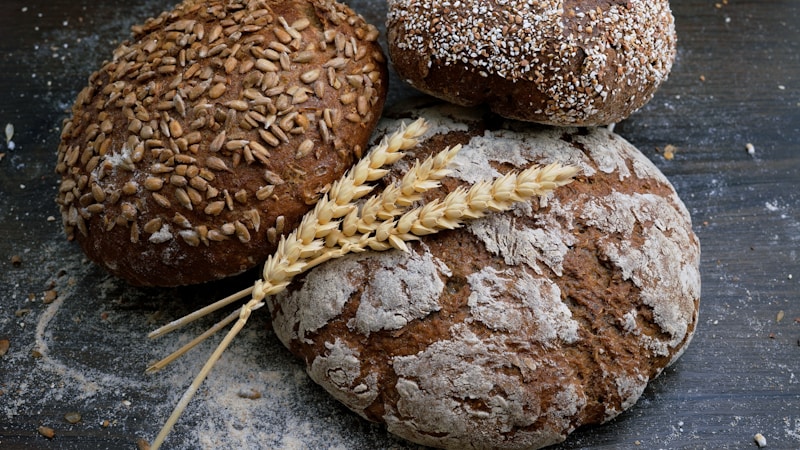
When you're enjoying a meal at your favorite country club or planning the perfect bread selection for your next event, the choice between yeast bread and flatbread might seem simple. However, understanding the key differences between these two fundamental bread types can significantly impact your dining experience, health, and culinary satisfaction.

The Fundamental Difference: Leavening Agents
The primary distinction between yeast bread and flatbread lies in their leavening process. Yeast bread, also known as leavened bread, relies on baking yeast to create its characteristic rise and airy texture. Flatbread, conversely, contains no leavening agents, resulting in its signature thin, dense consistency.
Both bread types share similar basic ingredients—flour, water, and often oil or salt. However, the presence or absence of yeast dramatically affects not only texture and appearance but also nutritional content and health implications.
Health Considerations: Making the Right Choice
Yeast Allergies and Sensitivities
For individuals with yeast allergies, the choice becomes clear-cut. Consuming yeast bread can trigger uncomfortable or even dangerous allergic reactions. If you experience symptoms like digestive issues, skin reactions, or respiratory problems after eating leavened bread, flatbread offers a safe alternative without sacrificing the satisfaction of enjoying bread.
Diabetes and Sugar Content
Managing blood sugar levels requires careful attention to bread choices. Commercial yeast breads often contain added sugars, even those labeled as "sugar-free" may have natural sugars from the fermentation process. Flatbread typically contains only flour, oil, water, and salt, making it a more predictable option for diabetic meal planning.
However, always check ingredient labels, as some commercial flatbreads may include sweeteners or other additives that could affect blood glucose levels.
Digestive Health and Candida Concerns
People dealing with yeast infections or candida overgrowth often follow anti-candida diets that restrict yeast consumption. In these cases, flatbread becomes the preferred choice, allowing individuals to enjoy bread while adhering to their dietary restrictions.
Nutritional Comparison
Both bread types offer valuable nutrients, including B vitamins and iron. However, their nutritional profiles differ in important ways:
- Fiber Content: Whole-wheat flatbread typically contains more fiber than whole-wheat yeast bread, making it beneficial for digestive health and weight management
- Calorie Density: Flatbreads are generally lower in calories per serving due to their thinner profile
- Protein: Yeast breads may have slightly higher protein content due to the fermentation process
- Glycemic Impact: Flatbreads often have a lower glycemic index, causing less dramatic blood sugar spikes
Cultural and Religious Considerations
Beyond health factors, bread choice sometimes reflects cultural traditions or religious observances. Many religious ceremonies incorporate unleavened bread for symbolic reasons. Understanding these preferences helps country clubs and event planners accommodate diverse member needs and create inclusive dining experiences.
Culinary Applications and Versatility
Yeast Bread Advantages
Yeast bread's fluffy texture makes it ideal for sandwiches, toast, and situations where you want bread that can absorb flavors or hold substantial fillings. The fermentation process also develops complex flavors that many find more satisfying.
Flatbread Benefits
Flatbread's sturdy, flat surface makes it perfect for appetizers, pizza bases, wraps, and Mediterranean-style dishes. Its neutral flavor profile allows accompanying ingredients to shine, making it a versatile choice for diverse culinary applications.
Making Your Decision
The "better" choice between yeast bread and flatbread ultimately depends on your individual circumstances:
- Choose flatbread if you have yeast allergies, diabetes, candida concerns, or are following specific dietary restrictions
- Opt for yeast bread if you prefer traditional textures, need higher protein content, or have no health restrictions
- Consider whole-grain versions of either option for maximum nutritional benefits
Remember that moderation is key with any food choice. Even if you have mild sensitivities or dietary preferences, occasional consumption of your non-preferred option likely won't cause significant harm.
Conclusion
Whether you're dining at an upscale country club or planning your weekly meals, understanding the differences between yeast bread and flatbread empowers you to make informed choices. Consider your health needs, taste preferences, and lifestyle requirements when making your selection.
The next time you're faced with this delicious dilemma, you'll have the knowledge to choose the bread that best serves your needs. Don't hesitate to consult with healthcare providers if you have specific dietary concerns, and remember that both options can be part of a balanced, enjoyable diet when chosen thoughtfully.